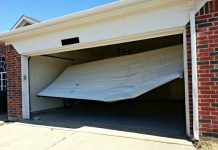
An unused garage door for a few weeks or months will look fine. However, extended stretches of it standing still can lead to dust, moisture, & corrosion messing with its components.
These are especially useful for those properties that could be sitting empty, holiday homes, or garages which were primarily storing things. With a few careful checks, problems can be identified before returning the door to service.
Do Not Open It Immediately
One of the main problems is pressing the remote and waiting for everything to work properly.
Start with a visual inspection. Check the door, tracks, rollers, springs, and cables. Check that there are no rust marks and nothing preventing it from shutting.
Look for:
- Bent or damaged tracks
- Frayed cables
- Rusted springs
- Loose hardware
- Cracked or damaged panels
- Objects blocking the doorway
If you see any issues out of order, be sure not to use the door until it is checked out.
Check the Door’s Balance
Springs and other parts help to balance the weight of a garage door. Since these parts were out of use for a while, they might have developed rust or another type of issue.
Avoid the temptation to tweak the springs on your own. Big strain can be placed on them.
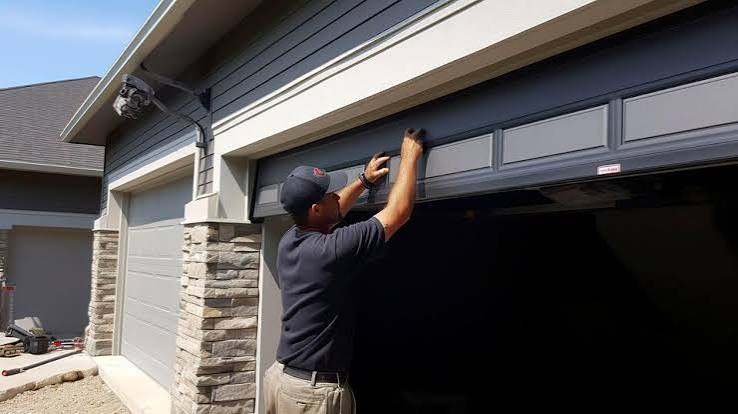
Hiring a garage door maintenance professional can help check the lifting system, enabling getting an early assessment of any potential issues that may arise before it will use on regular basis.
Inspect the Tracks and Rollers
Garage door tracks are places where dust, dirt, and debris can build up over time. Insects could likewise permanently shift house inside locations that keep undisturbed.
Inspect the tracks to see if there is anything blocking the path. Inspect rollers for cracking, wear, or corrosion.
Proceed very carefully if a roller comes out of the track; do not force it back into place. Repairs that involve the lifting and tracking mechanism of the door should be performed by an experienced technician.
Test the Safety Features
In an effort to prevent causing injury, automatic garage door mechanisms offer several safety systems. Such as photoelectric sensors and automatic reversal functions.
Ensure all sensor regions are clear and free from obstruction. Stop using it and get it checked if the door does not respond in proper way to its safety controls.
Do not disable or override safety features just to get the door to work.
Check the Opener
An opener that has not moved for months could have an entirely different issue as well. Test the power supply and look for visible damage.
A wall control should be used if the remote is not within range. If needed, take off the remote battery.
Do not activate an opener repeatedly if a door is stuck or moving unevenly. The motor might be put under an incorrect load.
When Repairs are Needed
Don’t keep forcing it if the door makes loud noises when you try and shut or close the door nicely, moves unevenly, sticks, or refuses to open, etc.
Those symptoms can indicate worn rollers, broken springs, or problems with cables or the track. Professional garage door repairs can trace where the problem is and make it work properly again.
If a fault is fixed early, it lessens the risk of further damage occurring through continued use.
Get Back to Regular Maintenance
Once the door has been validated and is working normally return to a basic maintenance cycle.
Regular garage door maintenance work can catch parts ready to fail before they do. Watch for strange noises and arrange for expert inspections when necessary, keep the door tidy.
Even if a garage door stays unused for months, it doesn’t mean you can simply switch it back on without first ensuring that it is working properly.
Taking a couple of minutes to inspect can mean the difference between an easy correction and return to normal use, or a surprise garage door repairs bill.