Running a short-stay property in Melbourne involves regular guests arriving and departing. Passing keys, switching access codes, and checking who still has entry is starting to feel like a regular activity. Auto-expiring codes of smart locks simplify access management.
Hosts can issue temporary PINs that are limited to only while a guest is approved to be at the property, rather than one permanent PIN. This can aid in easing the check-in process, but still helps restrict access following check-out.
Auto-Expiring Smart Lock Codes: What Are They?
An auto-expiring code is simply a digital PIN that works for a certain period of time. The host gets to write code for each guest and specify start time & end time.
The code can then stop working automatically after the booking period has expired. The primary lock code does not require a need to change after every stay.
This comes in handy especially for hosts managing multiple bookings every month.
Why Short-Stay Properties Benefit?
Traditional keys can be cloned, lost, or forgotten. The same kind of trouble could occur if permanent access codes are in the wrong hands.
Temporary codes offer more control.
Separate access can be provided by the host:
- Guests
- Cleaners
- Maintenance workers
- Property managers
- Contractors
Depending on the lock system, each code can also have its access period.
No More Last-Minute Key Handover
There is a case of late-night guest arriving or host gone out. No one would have to meet them at the property, a smart lock could come in handy there.
As soon as the booking opens, the guest receives their unique code and can get inside without having to pick up a physical key.
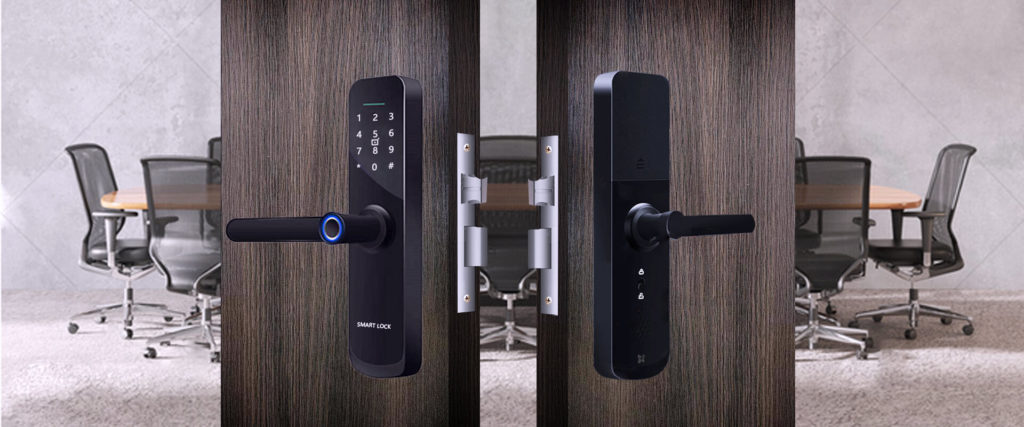
If a host is thinking about digital door lock installation, they should see if that system offers scheduled codes, remote control, and access log/management.
Better Control After Checkout
A striking benefit of an auto-expiring code is the automated access termination.
So, if someone is checking out on Monday, they shouldn’t have the same entry code several days later. The period for which the temporary code is active can be terminated by a password as set by the host.
This is particularly helpful for properties that have consecutive bookings.
Features of a Good Airbnb Smart Lock
Not every smart lock delivers the same. Only fancier keyless entry will do for short-stay hosts.
Useful features may include:
- Temporary PIN codes
- Automatic code expiry
- Remote code management
- Smartphone access
- Entry activity logs
- Low-battery alerts
- Manual backup access
It is also important to use a guest-friendly Airbnb smart lock. Complex entry systems can cause superfluous calls when checking in.
Installation Matters
For smart locks to operate smoothly, their installation has to be on point. Existing fittings, lock body, and frame must be inspected by a third-party.
In addition, hiring an expert for digital door lock installation can guarantee that the lock is positioned appropriately and the electronic pieces are wired correctly.
Hosts should also have a contingency for things like a flat battery, net outage, or technical fault.
Keep Guest Access Simple
Security should not complicate check-in. Make sure you provide guests with thorough instructions on when their code starts working and how to operate the lock.
Avoid sending unnecessary information. It is easier to follow a brief message with the property address, checking in, and temporary code instructions.
How AVA Provides a Smarter Solution to Short Stay Management?
Auto-expiring smart lock codes enable landlords to reduce key management and have more control over guest access for Melbourne short-stay hosts.
An Airbnb smart lock is chosen based on how easy check-in can be, and they will automatically stop granting access by the end of the booked time.
When professionally installed, clear guest instructions drafted and a back-up plan in place for the keys to enter; smart locks are an asset with real potential to short-stay management.